We are living in the golden age of video generation. Anyone can type "make a video about Rome" and get a visually stunning output in minutes.
But there is a massive, uncomfortable truth that most AI video creators are ignoring: Nobody is watching them.
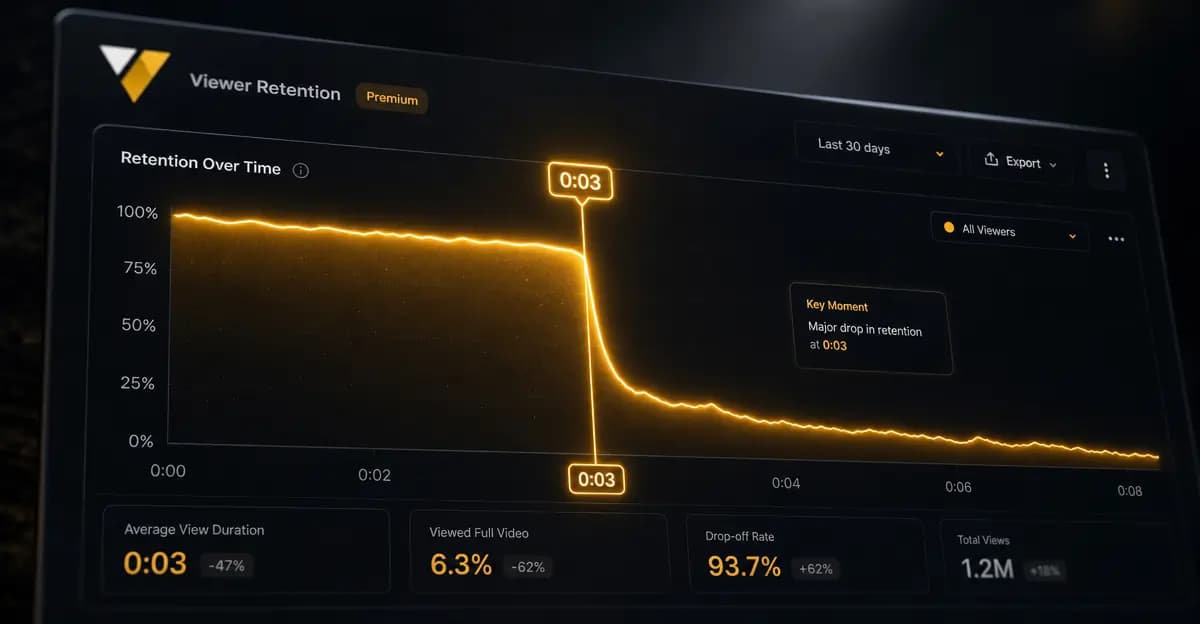
You can generate the most photorealistic, 4K, cinematic masterpiece in the world, but if the pacing, the script, and the visuals don't perfectly align in the first 3 seconds, the viewer is swiping away.
Generation without a plan is just rendering noise. Today, we're talking about the science of the hook, why the "wing it" approach to AI video is killing your channel, and how to fix it before you ever press generate.
The Alex Hormozi Hook Framework
If you study the most successful short-form creators on the planet—specifically the Alex Hormozi style of editing—you'll notice a pattern. They don't just "start" a video. They engineer a visual and auditory disruption.
A perfect hook requires three things happening simultaneously:
- The Auditory Promise: Stating exactly what the viewer will gain, or the pain they will avoid (e.g., "Here is the exact reason your AI videos are getting zero views.")
- The Visual Disruption: Fast, dynamic movement that breaks the viewer's trance.
- The Pacing Sync: The visual changes must hit on the exact beat of the speaker's voice.
When you just dump a loose prompt into a standard text-to-video AI, it fails at all three. It gives you a slow, panning shot of a landscape while an AI voice drones on. It’s the digital equivalent of a sleeping pill.
A great video isn't created in the timeline. It's created in the pre-production phase. If you are winging your pacing, you are guaranteeing a swipe.
The "Wing It" Trap
Most AI creators fall into the "Wing It" trap. They treat AI video generators like a slot machine. Pull the lever, hope the scenes match the script, and pray the pacing is fast enough to hold attention.
Here is what happens when you don't act as a Director:
Typing 'Make a video about business' and hoping the AI knows what a good hook is. Result: Slow pacing, unmatched B-roll, 80% viewer drop-off.
Structuring the hook, defining the visual disruption, and ensuring the sound design hits on the exact beat of the narrative.
How VideoVenture Analyzes Your Prompt (And Fixes Your Hook)
This exact problem is why we built VideoVenture differently. We don't just take your text and render a video. The platform acts as your co-director.
When you type a prompt into VideoVenture, our AI actively analyzes the structural pacing of your idea. It looks for the hook. If it detects a dramatic opening line, it naturally applies faster cuts, drops in heavier sound design (whooshes, risers), and matches the visual intensity to the script's energy.
Pro Tip for VideoVenture Hooks: Tell the AI exactly what emotion you want in the first 3 seconds. Try adding: "...open with a fast-paced, high-contrast visual disruption and an aggressive riser sound effect" to your next prompt. (For the full anatomy of a great prompt — including the exact ingredients that make a hook land — see the ultimate guide to AI video prompts.)
The Ultimate Cheat Code: Visualizing Before Generating
Even with smart prompt analysis, there has always been a missing link in AI video creation.
Hollywood directors don't just write a script and immediately start rolling cameras. They storyboard. They visualize the pacing, they swap out scenes, and they iterate on the flow before they spend time and money shooting.
If the first 3 seconds are the most important part of your video, you should be able to control, tweak, and perfect them before the final render.
We believe the AI shouldn't just help you render the video—it should help you visualize it.
We've been quietly building a massive update in the lab that will fundamentally change how you plan AI videos. We are bringing true, iterative Storyboarding to VideoVenture.
Soon, you won't just prompt and pray. You'll plan, iterate, and direct every single cut before the AI ever starts rendering. Check back here next Tuesday.
Open the Studio today to see how our prompt analyzer handles your hooks, and get ready for a completely new way to direct next week.